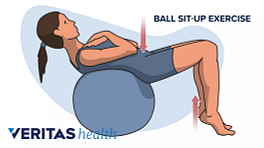
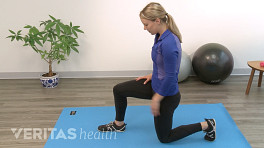
Back exercises are almost always necessary to rehabilitate the spine and alleviate back pain. A controlled, gradual exercise program that is tailored to an individual is usually the most effective.
While a typical response to back pain is to take it easy—either staying in bed or at least stopping any strenuous activity—resting for more than a day or two can actually undermine healing and worsen pain.
Watch: Video: If My Back or Joints Hurt, Should I Work Through the Pain?

In This Article:
Benefits of Exercise
Exercise strengthens spine-supporting muscles, reducing pressure on discs and facet joints.
When done in a controlled, progressive manner, exercises for relieving back pain have many benefits, including:
- Strengthening the muscles that support the spine, removing pressure from the spinal discs and facet joints
- Alleviating stiffness and improving mobility
- Improving circulation to better distribute nutrients through the body, including to the spinal discs
- Releasing endorphins, which can naturally relieve pain. A frequent release of endorphins can help reduce reliance on pain medication. Endorphins can also elevate mood and relieve depressive symptoms, a common effect of chronic pain.
- Minimizing the frequency of back or neck pain episodes, and reducing the severity of pain when it does occur.
A balanced workout should include a combination of stretching and strengthening, as well as aerobic exercise that elevates the heart rate.
Exercise as Prescription for Back Pain
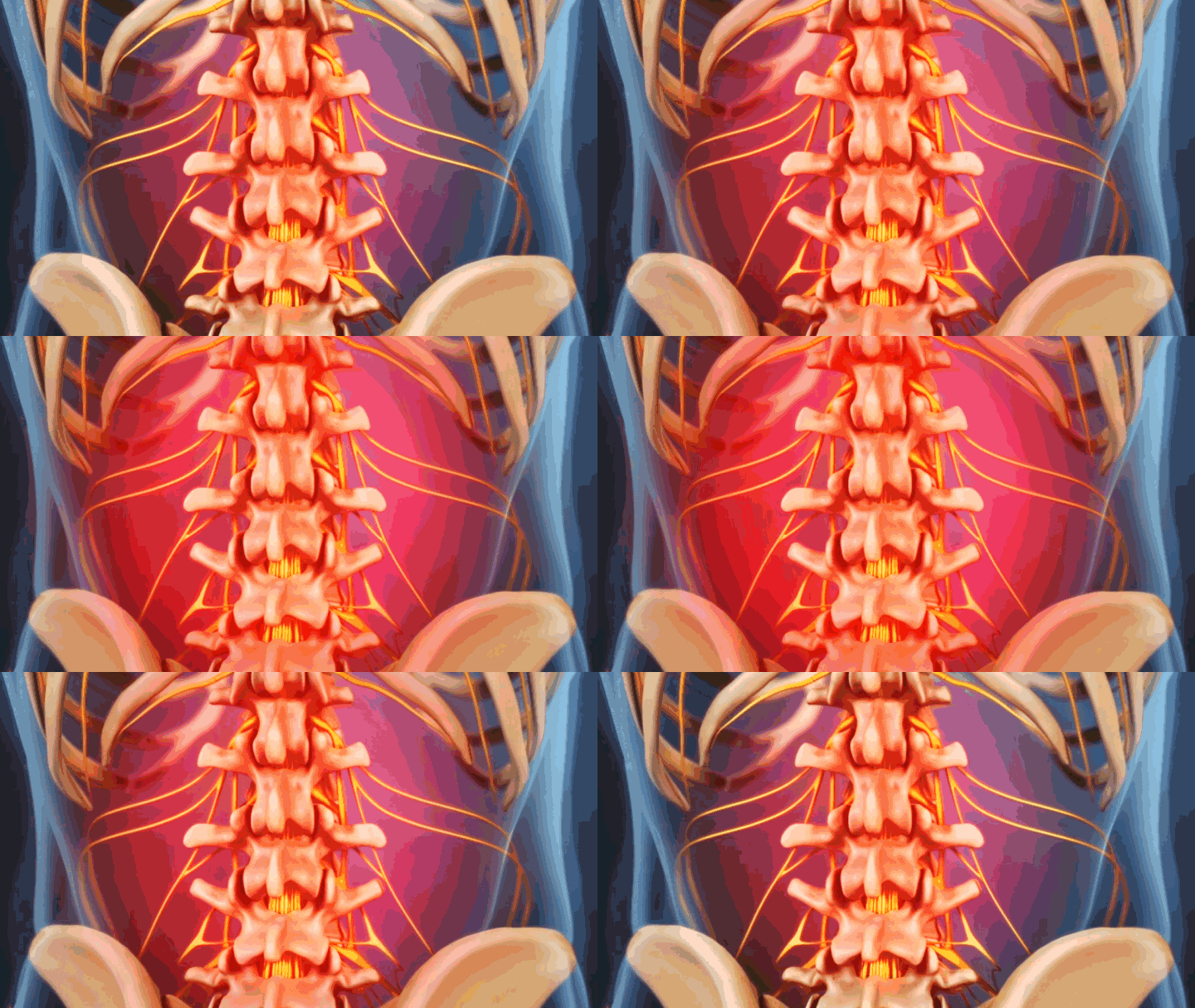
A qualified professional customizes the back exercise program, considering pain severity.
An effective program of back exercises should be comprehensive, working the whole body even as it targets the back. Exercise can be thought of as any other health prescription: A qualified health professional will customize exercise based on a variety of factors. These factors typically include:
- the clinical diagnosis
- whether pain is considered mild, moderate, or severe
- the pain relief necessary to tolerate activity
- the frequency of prescribed exercises
- the correct form and healthy posture needed for performing exercises
Maintaining the Exercise Program Over Time
Adherence to exercise is one of the most important factors for long term pain relief. However, maintaining exercise can be difficult for a variety of reasons, including worsened pain with activity, economic constraints, and low motivation. 1 Leijon ME, Faskunger J, Bendtsen P, Festin K, Nilsen P. Who is not adhering to physical activity referrals, and why?. Scand J Prim Health Care. 2011;29(4):234-40. In one study, the most common reason for lack of adherence to exercise was increased pain caused by activity. 1 Leijon ME, Faskunger J, Bendtsen P, Festin K, Nilsen P. Who is not adhering to physical activity referrals, and why?. Scand J Prim Health Care. 2011;29(4):234-40. When this is the case, an exercise professional can incorporate pain reduction and management as primary parts of the exercise program.
Personal preference also plays a role in adherence—for instance, if an exercise routine is too painful or not enjoyable, it is less likely to be done regularly enough to be effective.
- 1 Leijon ME, Faskunger J, Bendtsen P, Festin K, Nilsen P. Who is not adhering to physical activity referrals, and why?. Scand J Prim Health Care. 2011;29(4):234-40.